

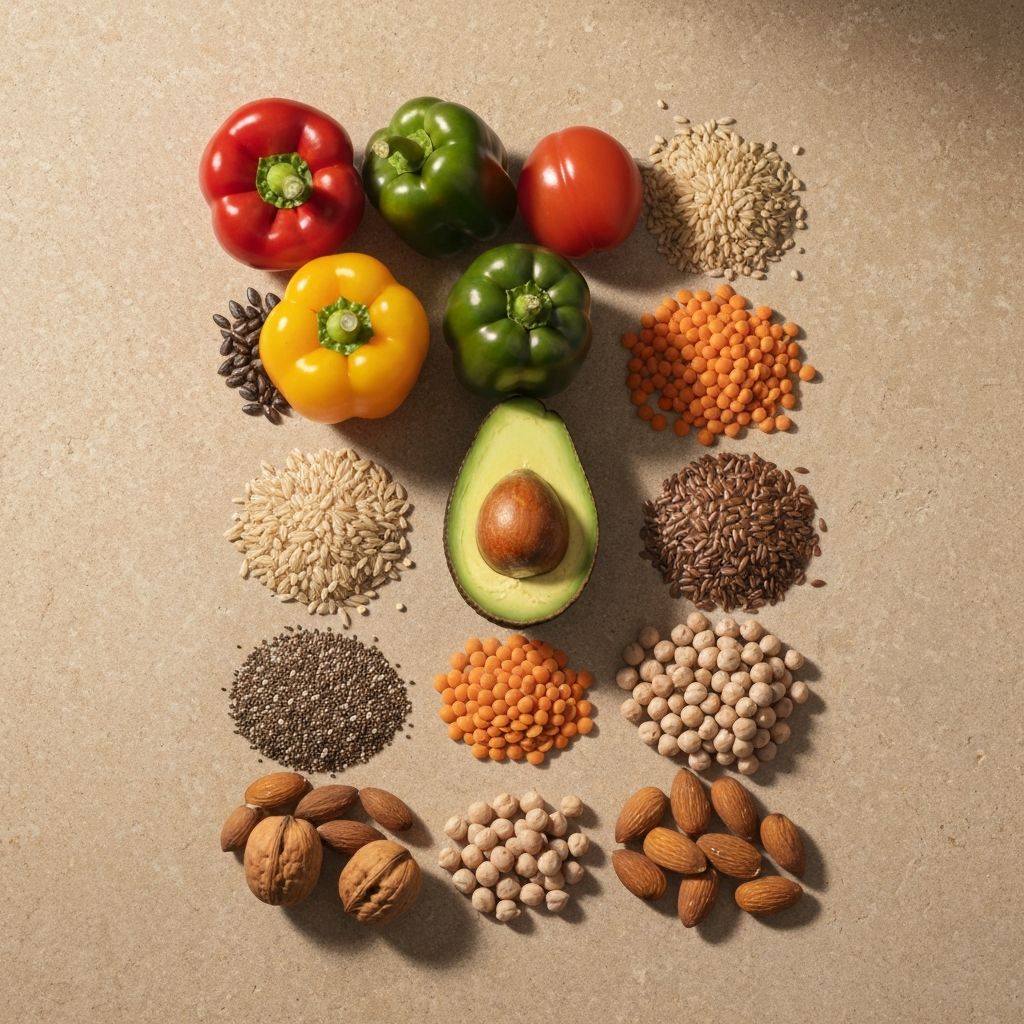

Nexarin — Exploring Dietary Principles: An Informational Guide to Nutritional Science
A carefully arranged still life of whole foods including vegetables, grains and nuts on a wooden surface

Unveiling the Science of Eating

An independent educational resource exploring the foundational principles of nutrition, the role of nutrients in the human body, and the diverse dietary patterns observed across cultures and centuries.

Explore Articles

Understanding Nutritional Foundations

The study of nutrition begins with understanding the building blocks of food itself. Two broad categories — macronutrients and micronutrients — describe the components that the human body requires to sustain its daily functions.

Macronutrients are the energy-yielding compounds consumed in relatively large quantities:

  • Carbohydrates — the primary source of readily available energy, found in grains, legumes, fruits and vegetables.
  • Proteins — essential for the building, repair and regulation of body tissues, supplied by meat, fish, dairy, legumes and nuts.
  • Fats — vital for hormonal balance, cellular structure and the absorption of fat-soluble vitamins, present in oils, seeds and fatty fish.

Micronutrients — vitamins and minerals — are needed in smaller amounts yet play indispensable regulatory roles throughout every physiological system.

Explore further
A flat lay of diverse whole foods representing macronutrients and micronutrients including nuts, vegetables and grains
A beautifully presented balanced meal on a ceramic plate with natural ingredients and warm lighting

The Journey of Food: From Plate to Well-being

Once food enters the body, a remarkable sequence of processes begins. Digestion breaks down complex food structures into simpler compounds that the body can absorb and utilise. This journey involves mechanical processing in the mouth and stomach, and chemical transformations aided by enzymes and bile throughout the gastrointestinal tract.

Key stages in this process include:

  1. Ingestion and mastication — food is broken down mechanically and mixed with salivary enzymes.
  2. Gastric processing — acid and enzymes in the stomach continue the breakdown of proteins and other compounds.
  3. Intestinal absorption — nutrients are absorbed through the walls of the small intestine into the bloodstream.
  4. Cellular utilisation — absorbed nutrients are transported to cells and organs where they fulfil structural and metabolic roles.

This interconnected system illustrates how the quality and composition of dietary choices have broad implications for how effectively the body can function day to day.

Dietary Patterns Across the World

Across different regions and historical periods, distinct dietary patterns have emerged in response to local environments, cultural traditions, and available resources.

Mediterranean diet ingredients including olives, olive oil, tomatoes and herbs

The Mediterranean Pattern

Characterised by an abundance of plant foods, olive oil as the principal fat source, moderate fish consumption, and modest amounts of dairy and red meat. Historically practised across countries bordering the Mediterranean Sea.

Discover more

Nordic diet foods including rye bread, fresh berries, salmon and root vegetables

The Nordic Pattern

Rooted in the culinary traditions of Scandinavia, this pattern emphasises whole grains such as rye and oats, fatty fish, root vegetables, berries, and minimal use of processed foods.

Discover more
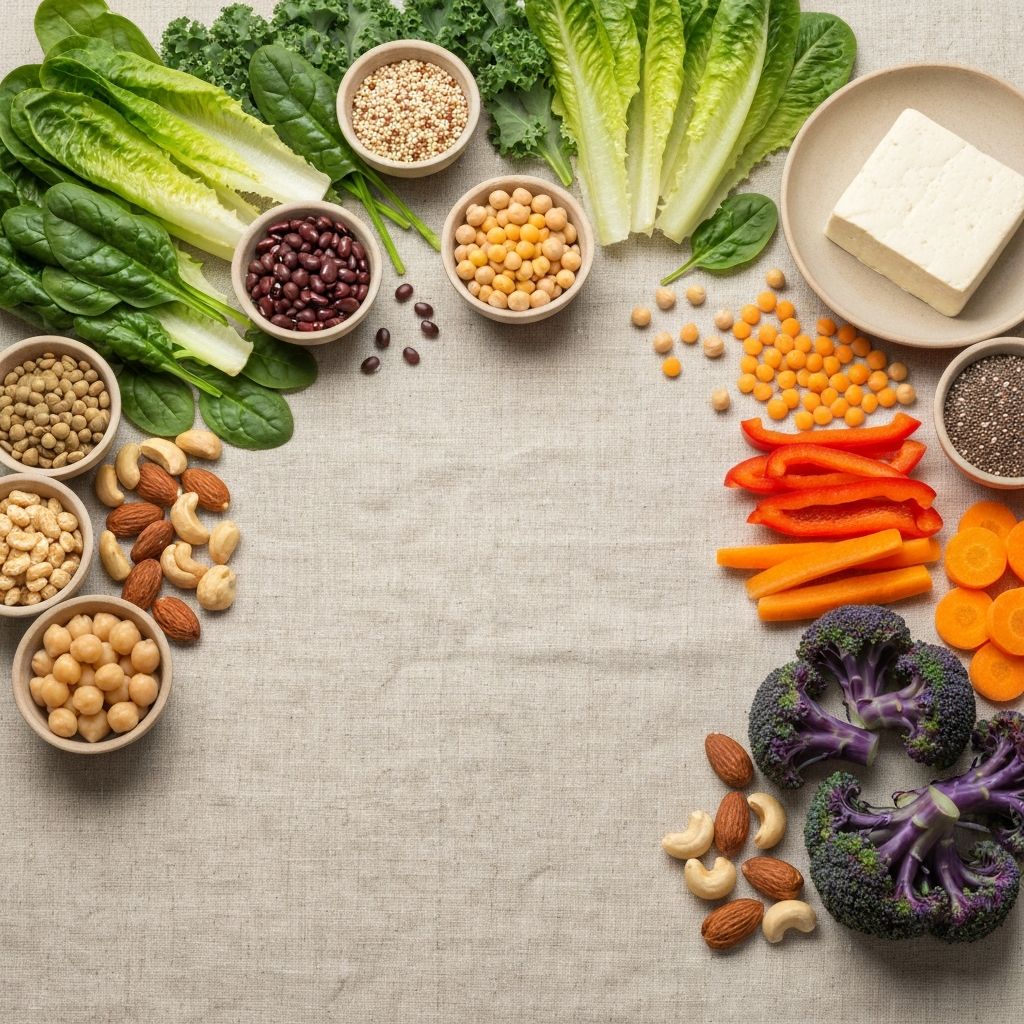
Plant-based diet colourful flat lay featuring leafy greens, legumes, quinoa and vegetables

Plant-Based Approaches

A broad category encompassing vegetarian and vegan patterns, centred on vegetables, fruits, whole grains, legumes, nuts and seeds, with varying degrees of animal product exclusion depending on the specific approach.

Discover more

The Role of Hydration and Electrolytes

Water is the most abundant compound in the human body, accounting for roughly 60% of adult body weight. Every cellular process — from nutrient transport to temperature regulation — depends on adequate hydration.

Electrolytes such as sodium, potassium, calcium, and magnesium carry electrical charges that govern fluid balance between cells and their surrounding environment. These minerals are continuously lost through respiration, perspiration, and excretion, requiring regular replenishment through food and fluids.

The primary sources of dietary electrolytes include whole foods: leafy green vegetables, legumes, dairy products, whole grains, and fresh fruits, each supplying varying mineral profiles that collectively support bodily fluid equilibrium.

Read the full article

Mindful Eating and Nutritional Awareness

Beyond the chemical composition of food lies the psychological dimension of eating — a field that explores how attention, emotional state, and environmental cues influence what, when, and how much people consume.

Mindful eating refers to the practice of bringing deliberate, non-judgemental awareness to the experience of eating. This includes noticing the sensory qualities of food, recognising internal hunger and fullness signals, and understanding the emotional factors that prompt eating behaviour.

Research in this area does not prescribe specific foods or quantities. Instead, it examines the relationship between conscious attention and food-related decision-making, suggesting that awareness itself can meaningfully shift patterns of consumption over time.

The broader concept of nutritional awareness encompasses understanding food labels, recognising different nutrient profiles, and developing literacy around how various food components interact with bodily processes — all of which are explored in the articles across this site.

Hands gently holding a ceramic bowl of wholesome food in a calm, naturally lit setting

Nutritional Science: Evolution and Discovery

Early Observations and Classical Traditions

Long before the formal discipline of nutritional science existed, human societies observed connections between food and physical condition. Ancient Greek physicians documented the health implications of various foods. Chinese classical medicine developed extensive frameworks linking dietary categories to physiological states. These observations, while pre-scientific, established early frameworks for understanding food as more than mere sustenance.

The emergence of modern chemistry in the 18th and 19th centuries created the tools necessary for systematic nutritional investigation. Researchers began isolating individual components of food — fats, carbohydrates, nitrogen-containing compounds — and studying their individual properties.

The Rise of Modern Nutritional Research

The 20th century witnessed the identification of vitamins and their roles in preventing deficiency-related conditions, the characterisation of essential amino acids, and the development of energy measurement methodologies. Epidemiological research — examining diet patterns across large populations over extended periods — has since become a cornerstone of nutritional science.

Contemporary research employs tools including metabolomics, microbiome analysis, and longitudinal cohort studies to refine understanding of how dietary patterns interact with individual biology, genetics, and environmental factors. The field continues to evolve, with findings regularly re-evaluated against accumulating evidence.

Core Nutritional Concepts at a Glance

A structured overview of fundamental terms and ideas encountered throughout nutritional science.

Macronutrients

Carbohydrates, proteins, and fats consumed in gram quantities daily; the primary sources of energy and structural materials for the body.

Micronutrients

Vitamins and minerals required in smaller amounts, acting as cofactors, regulators, and structural components in biochemical processes.

Dietary Fibre

Non-digestible plant-derived carbohydrates that support digestive function, contribute to satiety, and serve as substrate for the gut microbiome.

Energy Balance

The relationship between energy intake through food and energy expenditure through metabolism and physical activity; a central concept in nutritional science.

Bioavailability

The proportion of an ingested nutrient that is actually absorbed and used by the body; influenced by food preparation methods, nutrient interactions, and individual factors.

Dietary Patterns

The habitual combinations and proportions of foods consumed over time; considered a more meaningful unit of nutritional analysis than individual foods or nutrients.

Debunking Common Nutritional Misconceptions

Nutritional information is frequently misrepresented in popular media. The following explores common inaccuracies and the evidence-based context surrounding them.

Dietary fat does not directly cause body fat accumulation. The relationship between food intake and body composition involves total energy balance, food quality, metabolic factors, and individual variation. Many fat-rich whole foods — such as nuts, seeds, avocados, and olive oil — are central components of widely studied dietary patterns. The characterisation of dietary fat has evolved significantly in nutritional science over recent decades.

Carbohydrates represent the body's primary and most readily accessible energy source. Whole food carbohydrates — including vegetables, legumes, whole grains, and fruits — provide dietary fibre, vitamins, minerals, and phytochemicals alongside their energy content. The nutritional science community distinguishes between refined and whole-food sources of carbohydrates, noting meaningful differences in their physiological effects.

The human body possesses sophisticated systems — primarily the liver and kidneys — specifically evolved to filter and eliminate waste compounds. The term "detox" as used in popular dietary contexts does not correspond to recognised physiological processes. Research does not support the premise that specific short-term dietary regimens substantially enhance the body's natural filtration mechanisms beyond their normal function.

The nutritional composition of organic versus conventionally grown foods has been studied extensively with mixed results. Some studies identify modest differences in certain secondary plant compounds, while others find no meaningful nutritional distinction. The designation "organic" refers primarily to production method rather than nutritional profile. Both organic and conventional whole foods contribute to varied and balanced diets.

The timing of food consumption is one variable among many influencing energy balance and body composition. Research on meal timing and its effects on metabolic outcomes is ongoing and shows significant individual variability. Total daily energy intake, dietary composition, sleep quality, and activity patterns are all relevant factors in understanding how the body processes and stores energy.

FAQ: Frequently Explored Questions

Macronutrients are the three main energy-yielding categories of nutrients — carbohydrates, proteins, and fats — consumed in relatively large amounts (grams per day). Micronutrients are vitamins and minerals required in much smaller quantities (milligrams or micrograms per day) but are essential for numerous regulatory and structural functions throughout the body. Both categories are necessary; neither is inherently superior to the other.

In nutritional science, a balanced diet generally refers to an eating pattern that supplies all essential nutrients — macronutrients, vitamins, minerals, and dietary fibre — in proportions that support normal physiological function. Various international bodies have developed dietary guidelines to illustrate what this looks like in practice, often represented through models such as the Eatwell Guide in the United Kingdom. These frameworks emphasise variety, proportionality, and the predominance of minimally processed whole foods.

Cooking and food preparation methods can influence the bioavailability and quantity of certain nutrients. Heat can break down some heat-sensitive vitamins (such as vitamin C) while improving the digestibility and absorption of other compounds. Boiling can cause water-soluble vitamins to leach into cooking water. Fermentation can increase the bioavailability of certain minerals by reducing compounds that inhibit absorption. Different preparation approaches each involve trade-offs that depend on the food in question and the specific nutrients of interest.

Well-planned plant-based diets can provide most essential nutrients. However, certain nutrients — most notably vitamin B12, which is synthesised primarily by microorganisms and found most reliably in animal products — require particular attention. Vitamin D, long-chain omega-3 fatty acids, iodine, and iron are other nutrients that warrant careful dietary planning for those consuming exclusively plant-based diets. Major dietetic associations from multiple countries have published guidance on achieving nutritional completeness within plant-based dietary frameworks.

Continue Your Learning Journey

The articles on this site delve deeper into each of the concepts introduced here — from the detailed biochemistry of individual nutrients to the cultural histories of specific dietary patterns.

Explore further

Educational content only. No promises of outcomes. Not a medical product. Consult a doctor before making any dietary or health-related changes.